
Peru is one of the most rewarding countries in South America. In a single trip you can walk through Inca citadels, fly over ancient desert drawings, sail the world’s highest navigable lake, spot pink dolphins in the Amazon and eat in one of the world’s great food capitals. If you are planning your route, these are the best places to visit in Peru, the ten destinations that deserve a spot on your itinerary.
This guide was put together by Cristian, a MINCETUR-licensed tour guide based in Lima who has spent more than 10 years helping international travelers plan their time in Peru. Below you will find what makes each place special, what to do there, how to get there from Lima and a comparison table to help you decide.
Quick answer: the best places to visit in Peru are Machu Picchu, Cusco, Lima, Lake Titicaca, the Colca Canyon, the Nazca Lines, the Sacred Valley, Iquitos and the Amazon, Arequipa and the Huacachina oasis. With 10–14 days you can combine Lima, Cusco, the Sacred Valley and Machu Picchu with one or two of the others.
1. Machu Picchu: The Lost City of the Incas
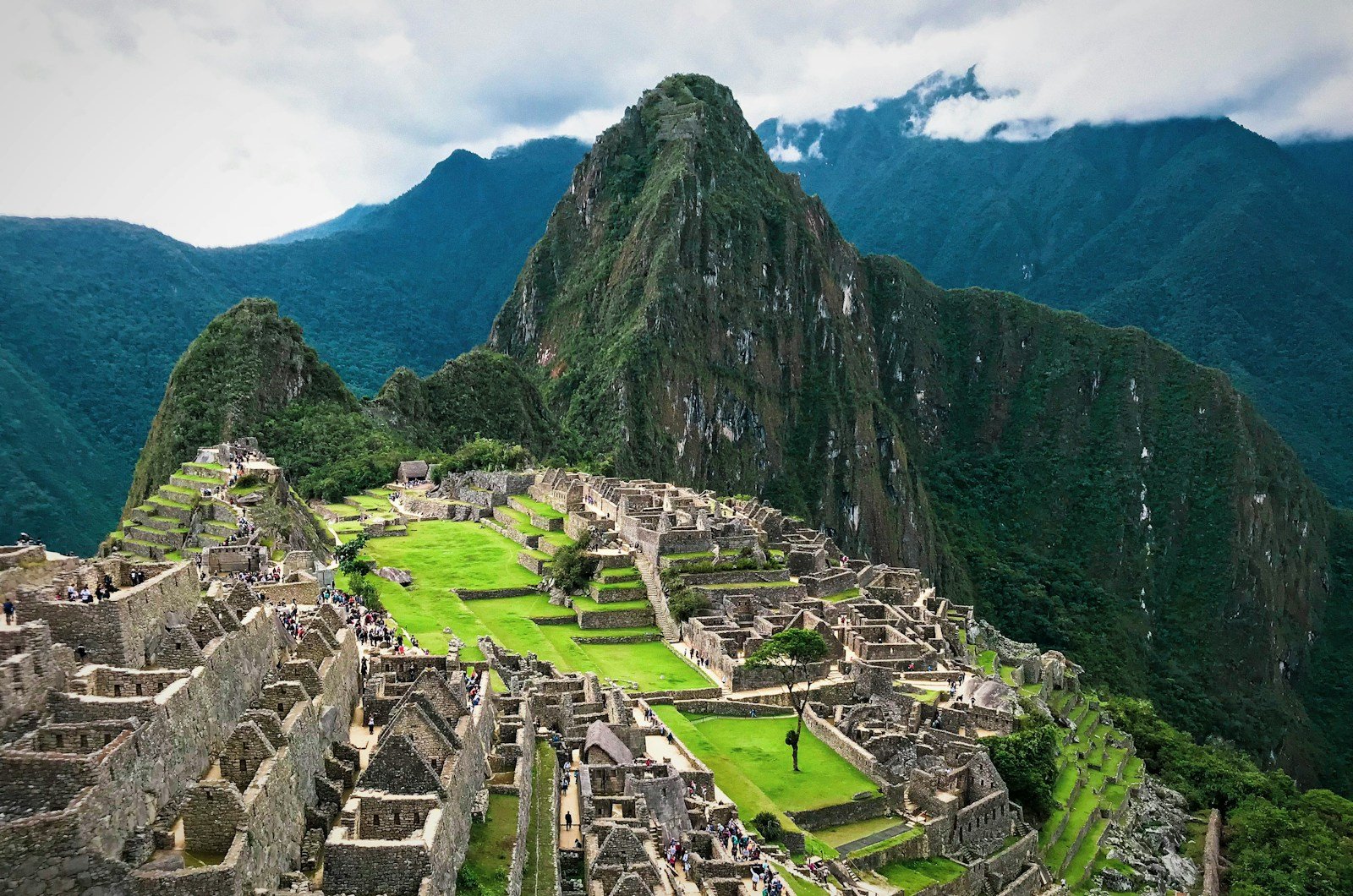
No surprise at number one. Machu Picchu, the Inca citadel hidden in the cloud forest above the Urubamba River, is one of the New Seven Wonders of the World and the reason many people travel to Peru. It sits at about 2,430 meters (7,970 ft) between two peaks, Huayna Picchu and Machu Picchu Mountain, and was an important religious, political and administrative center.
Its temples, terraces and water channels, built with huge stone blocks fitted without mortar, still hold many secrets. To understand what you are looking at, a guided visit makes a huge difference. Entry is by timed tickets with daily limits and set circuits, so book well in advance, especially from May to September.
- How to get there: fly from Lima to Cusco, then take the train from Cusco or Ollantaytambo to Aguas Calientes and the bus up to the site.
- Best for: history lovers, photographers and hikers (the classic Inca Trail takes 4 days).
- Tip: the Inca Trail closes every February for maintenance, but the citadel stays open all year.
2. Cusco: The Ancient Inca Capital
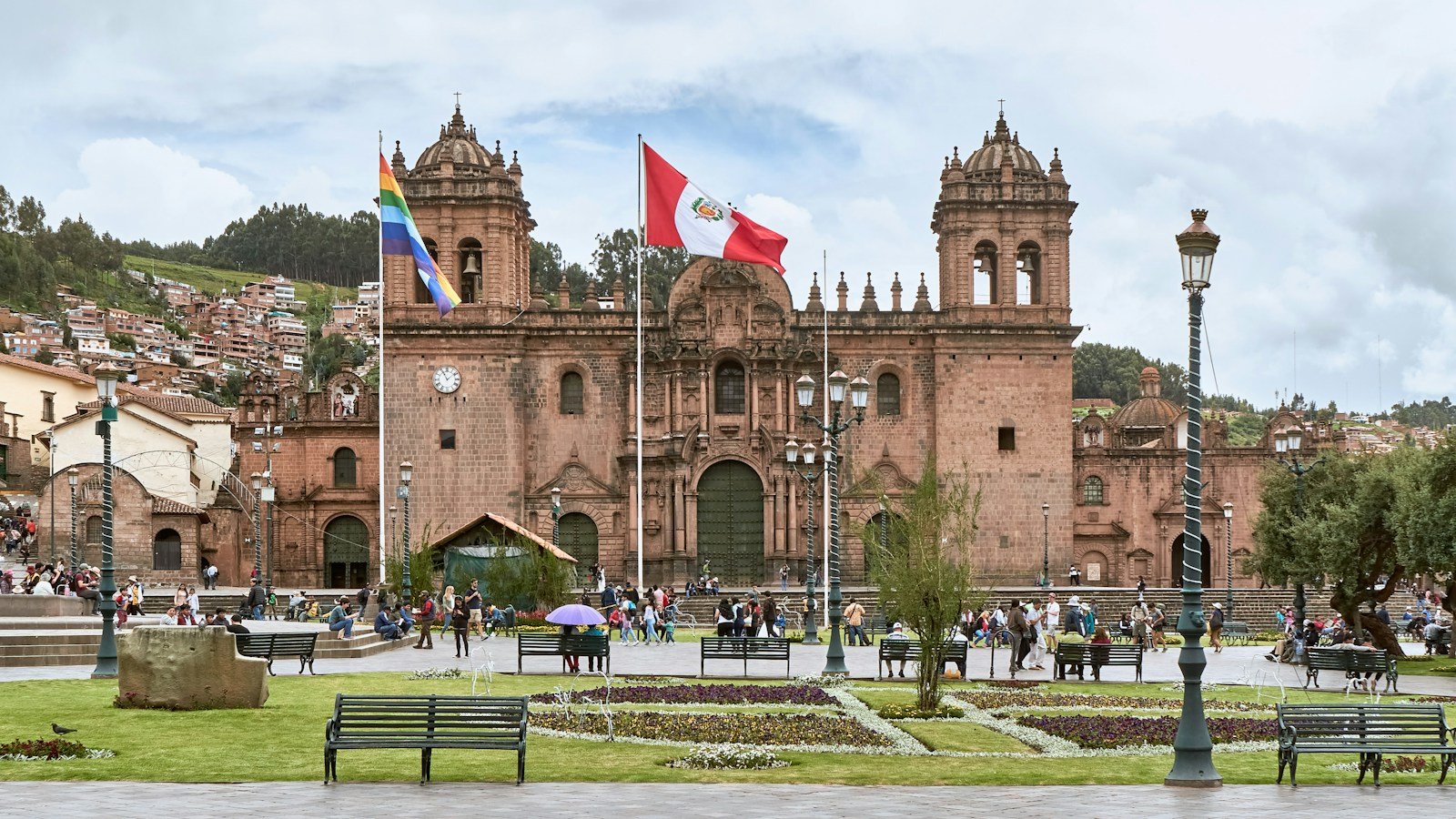
Cusco was the capital of the Inca Empire and today mixes Inca walls with Spanish colonial churches like nowhere else. Its Plaza de Armas was the administrative heart of the empire; after the Spanish arrived, the Cathedral and the Church of the Society of Jesus were built around it.
On Hatun Rumiyoc street you will find the famous Twelve-Angled Stone, a perfect example of Inca stonework. Climb up to the bohemian San Blas neighborhood for cobbled streets, artisan workshops and views over the city, then visit the Qorikancha (the Inca Temple of the Sun, under the Convent of Santo Domingo) and the fortress of Sacsayhuamán. Adventurous travelers can add Rainbow Mountain (Vinicunca), at over 5,000 meters.
Altitude tip: Cusco sits at about 3,400 meters (11,150 ft). Many travelers sleep their first nights in the lower Sacred Valley and visit Cusco afterwards, take it easy on day one and drink plenty of water.
3. Lima: Peru’s Coastal Capital and Food Capital
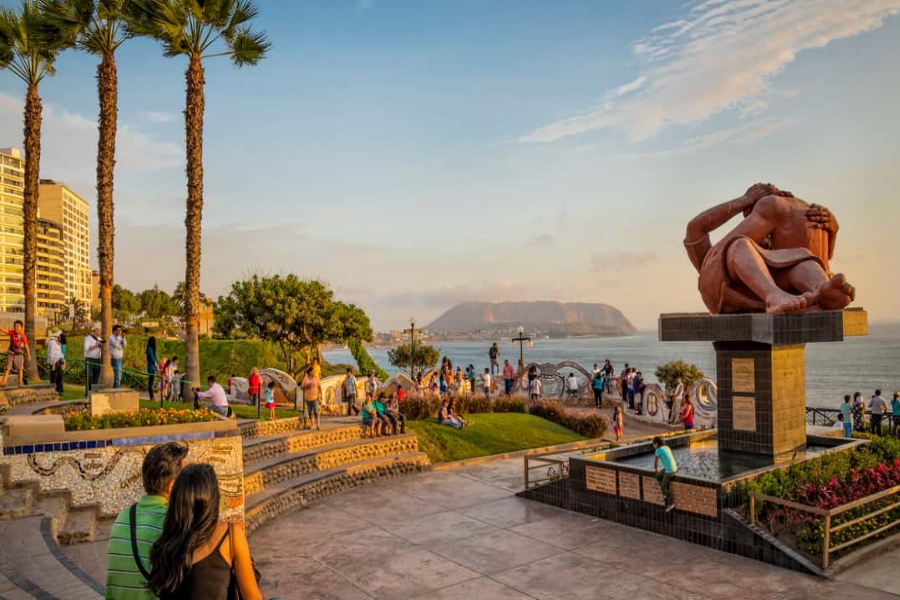
Almost every trip starts or ends in Lima, and it deserves more than a quick airport stop. The historic center, a UNESCO World Heritage Site, is built around the Plaza Mayor with the Government Palace, the Archbishop’s Palace, the Cathedral and the Sagrario church. On the coast, Miraflores offers ocean views from the clifftops, the Parque del Amor (opened on Valentine’s Day 1993, with its mosaic benches and the statue El Beso) and Huaca Pucllana, a pre-Inca adobe pyramid built between around 200 and 700 AD.
At night, the Magic Water Circuit in the Parque de la Reserva puts on a light and music show across its 13 fountains. And of course, Lima is the best place in the country to eat: ceviche, pisco sour and world-famous restaurants. You can also paraglide over the Miraflores cliffs or try surfing on its beaches.
Want the full list? Read our guide to the 15 best things to do in Lima, or explore the city with a licensed local guide on a private Lima City Tour or a private Lima Food Tour.
4. Lake Titicaca: The World’s Highest Navigable Lake
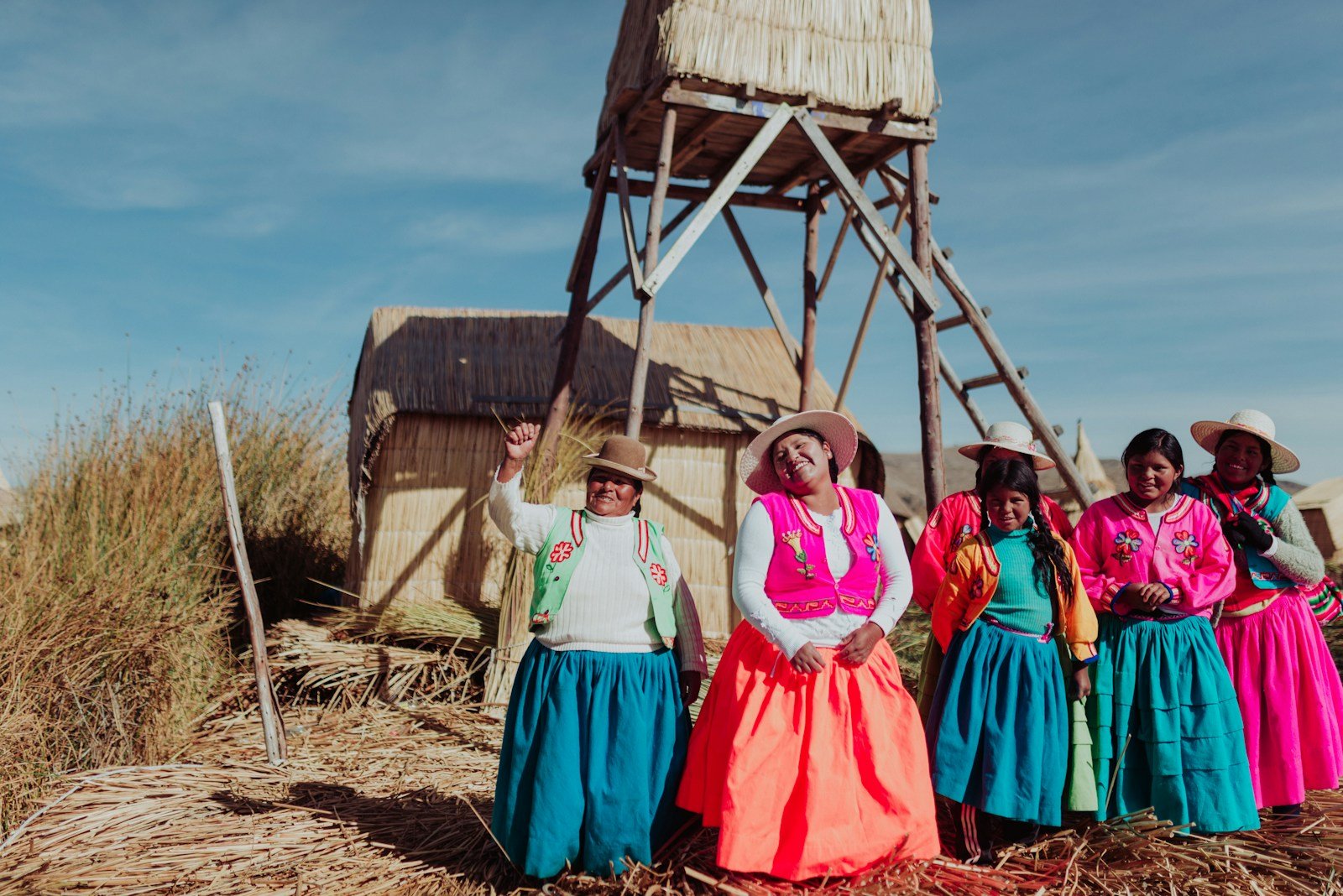
At around 3,800 meters (12,500 ft), Lake Titicaca is famous as the highest navigable lake in the world, with calm blue water that seems to melt into the sky. Boat tours leave from the city of Puno.
The highlight is a visit to the Uros floating islands, built and rebuilt by hand with totora reeds that grow in the lake. Many tours continue to Taquile Island, known for its farming terraces, quiet paths and a textile tradition recognized by UNESCO; its people lived quite isolated until the mid-20th century and keep many of their customs. Back in Puno, see the Cathedral and the main square.
5. The Colca Canyon: Condors and Andean Villages
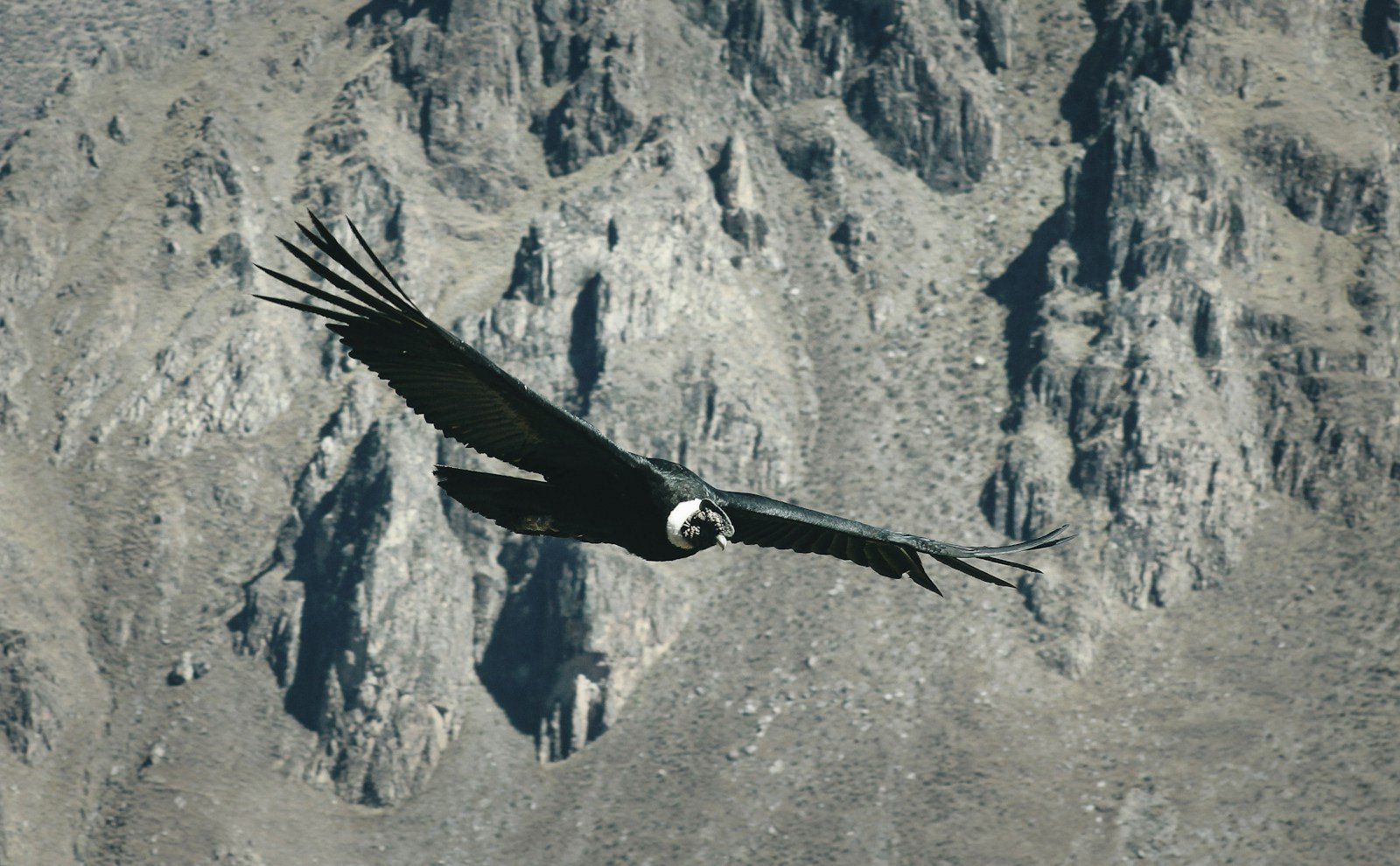
The Colca Valley, in the Arequipa region, is one of the most spectacular landscapes in Peru. The Colca Canyon is among the deepest in the world, with rock formations shaped over millions of years and pre-Inca farming terraces still in use.
Head to the Cruz del Cóndor viewpoint early in the morning for the best chance to see Andean condors gliding on the warm air currents, sometimes right above your head. Hike between traditional villages to see llamas, alpacas and vicuñas, and finish the day in the volcanic hot springs of La Calera, with pools at different temperatures.
6. The Nazca Lines: A Mystery in the Desert
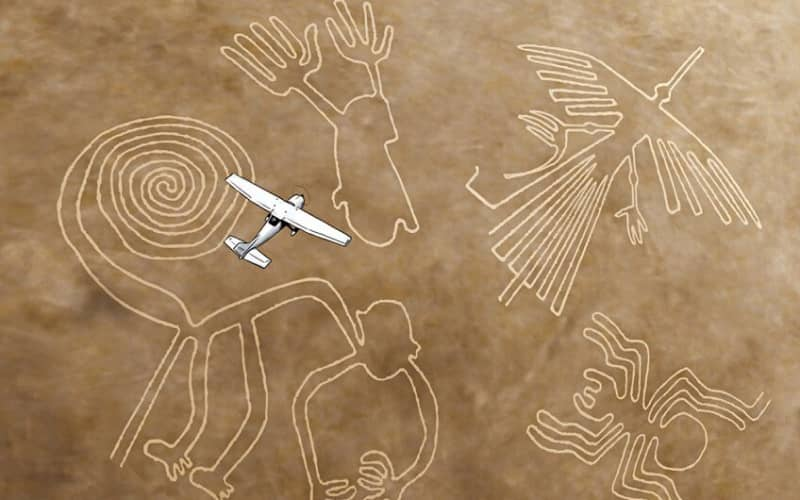
In the desert of southern Peru, the Nasca culture drew hundreds of giant figures on the ground, mostly between roughly 500 BC and 500 AD: animals like the hummingbird, the monkey and the spider, plus geometric shapes and long straight lines. They were made by removing the reddish surface stones to reveal the lighter ground underneath, and they can only be fully appreciated from the air. Today they are a UNESCO World Heritage Site.
The best way to see them is on a short flight in a small plane from the local airfield. If you prefer to stay on the ground, there is a roadside viewing tower. Complete your visit with the María Reiche Planetarium, the Cahuachi ceremonial center, the Cantalloc aqueducts, the Chauchilla cemetery and Cerro Blanco, one of the tallest sand dunes in the world.
7. The Sacred Valley of the Incas
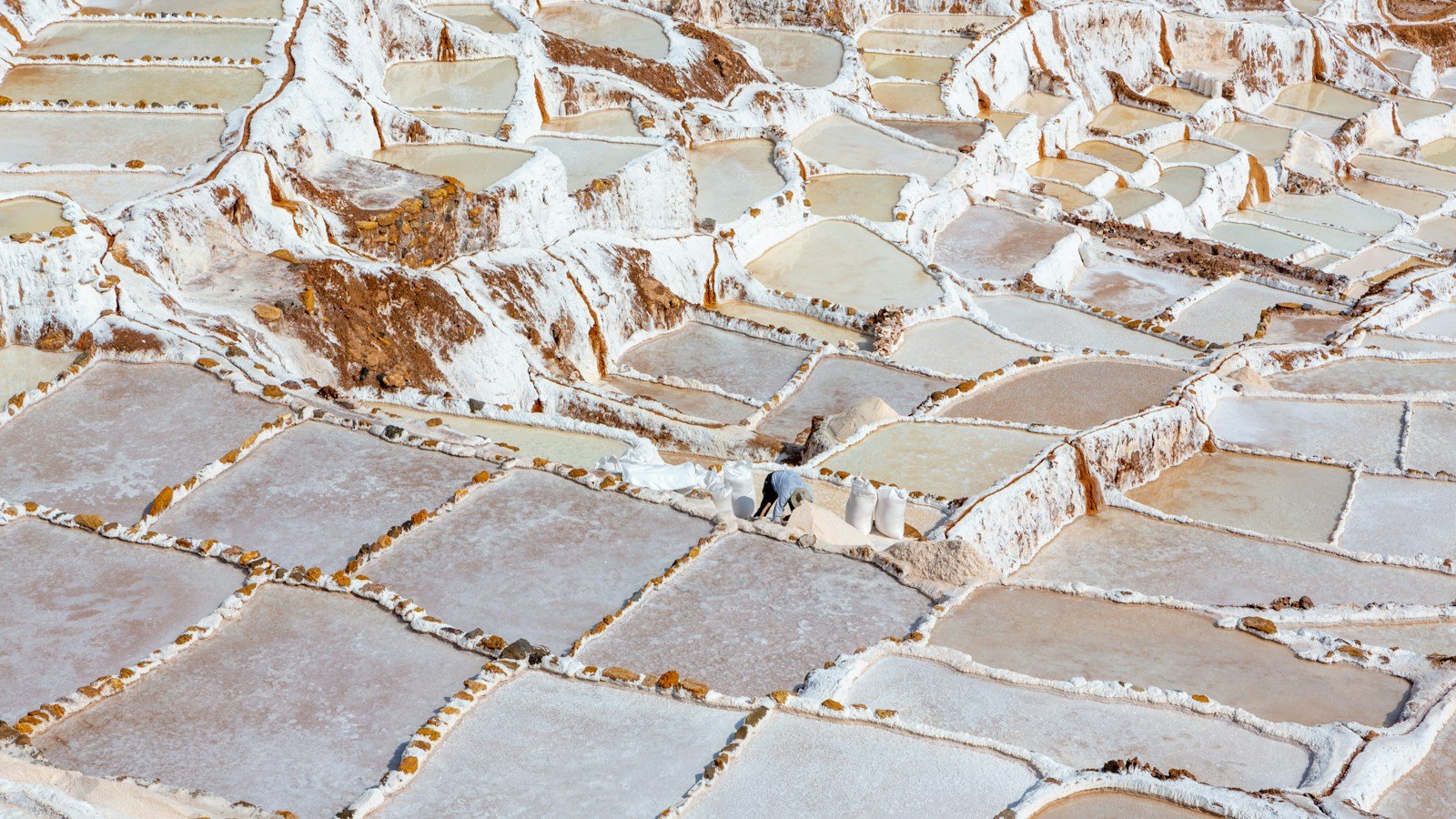
Just outside Cusco, the Sacred Valley has it all: rivers, charming villages, important Inca sites and plenty of activities. It is also lower than Cusco (around 2,800–3,000 m), which makes it a great place to start your trip and adjust to the altitude.
Don’t miss the fortress of Ollantaytambo, key in the Inca resistance against the Spanish, the Pisac market for ceramics and alpaca textiles, the villages of Chinchero and Urubamba, the Maras salt ponds and the circular terraces of Moray. Active travelers can explore by bike or quad bike, or try a zipline with views over the valley.
8. Iquitos and the Peruvian Amazon
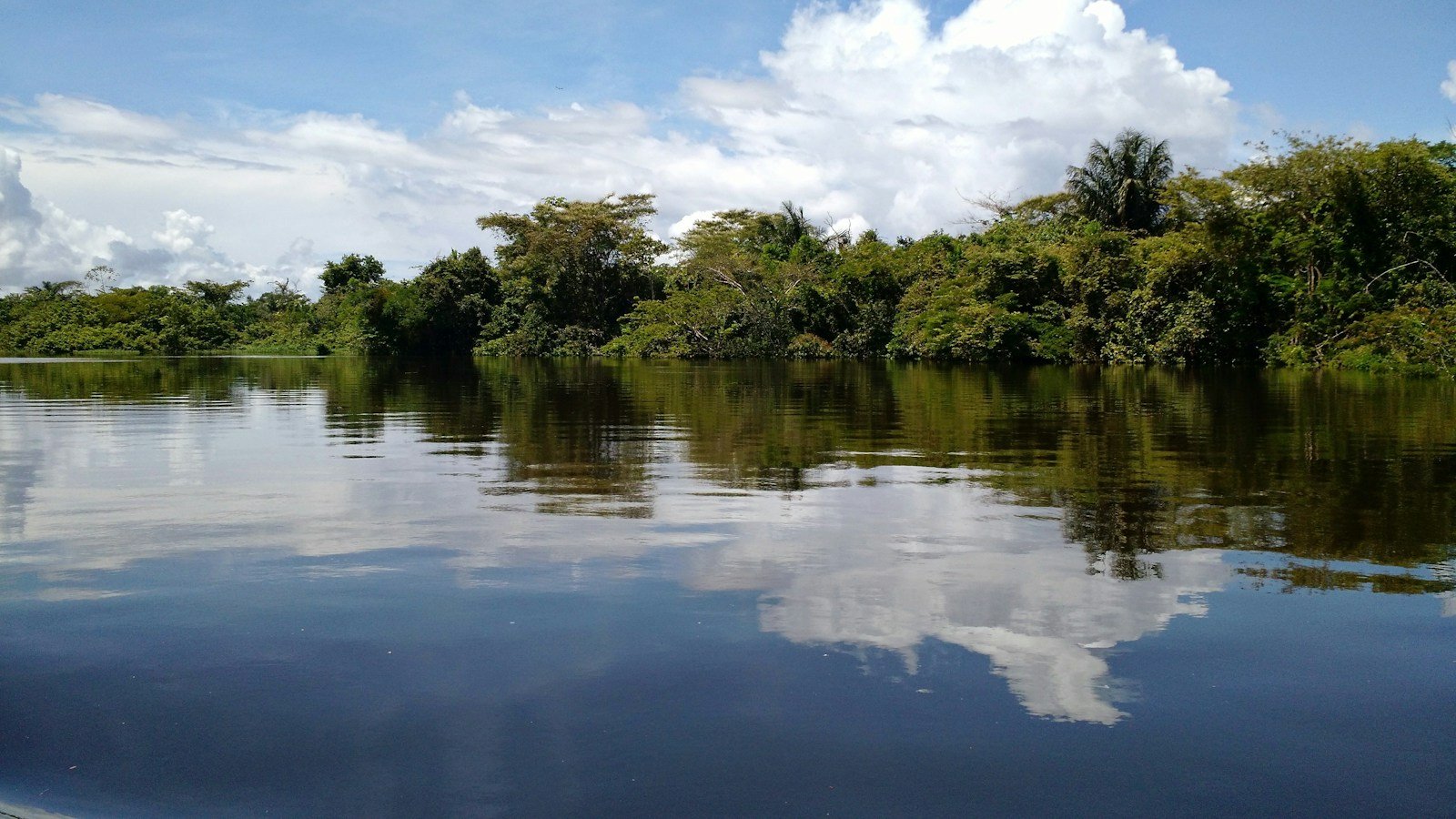
Iquitos is the gateway to the Peruvian Amazon and one of the largest cities in the world that cannot be reached by road: you arrive by plane or by river. Rivers flow right into the city, creating an exotic landscape unlike anywhere else in Peru.
The best thing to do here is head into the jungle. A boat trip on the Amazon can bring sightings of pink river dolphins, caimans and monkeys. Visit Monkey Island, a rescue and rehabilitation center for several species, and take a boat through Belén, the neighborhood famous for its floating houses. In the city center, look for the Iglesia Matriz and the Casa de Fierro, the “Iron House”.
9. Arequipa: The White City
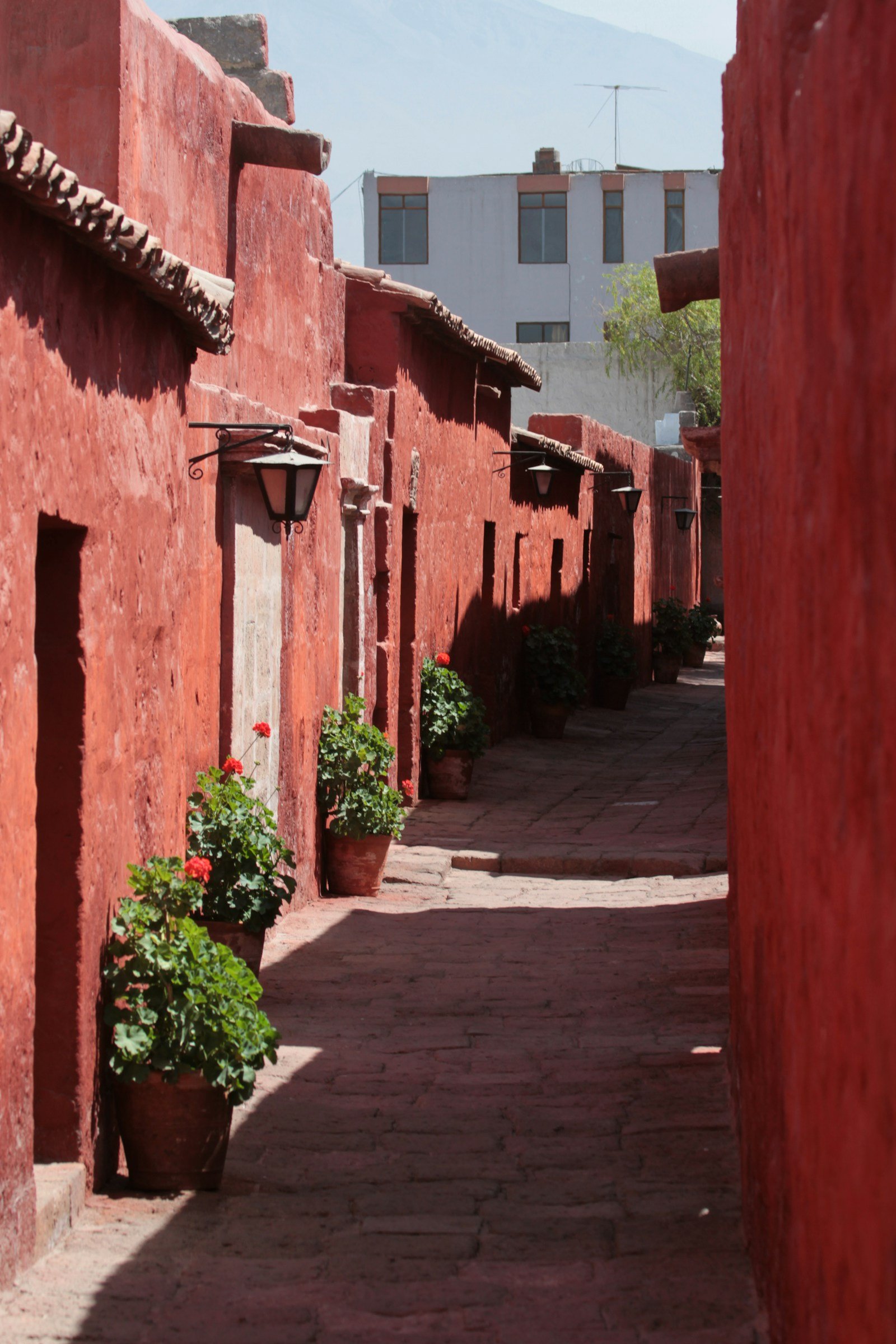
Arequipa sits at about 2,335 meters (7,660 ft) and is known as the White City because many of its buildings are made of sillar, a white volcanic stone. Its historic center is a UNESCO World Heritage Site.
The star attraction is the Santa Catalina Monastery, a small walled city of more than 20,000 m² where you can wander colorful streets and learn about colonial life. Nearby, the Plaza de Armas is surrounded by churches, museums and restaurants serving Arequipa’s famous regional food. Go up to the Carmen Alto viewpoint to see the three volcanoes that frame the city (Chachani, Misti and Pichu Pichu). Arequipa is also the starting point for the Colca Canyon, and you can add rafting on the Chili River, the Salinas and Aguada Blanca National Reserve and the Sillar Route quarries.
10. The Huacachina Oasis
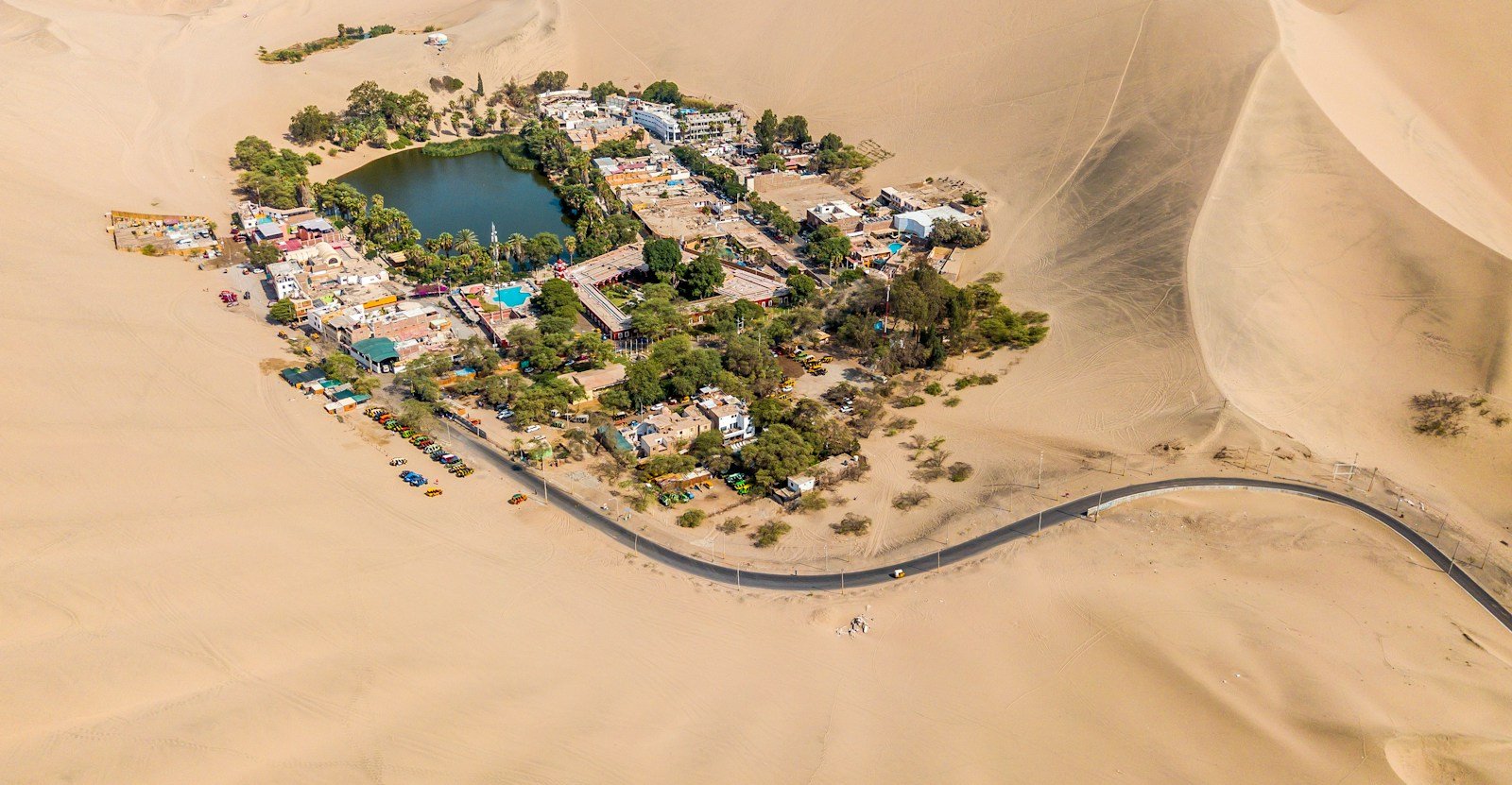
Huacachina is a real desert oasis near the city of Ica: a green lagoon fed by underground water, ringed by palm trees and surrounded by giant sand dunes. It is tiny, but full of hotels, restaurants and things to do.
The classic experience is a dune buggy ride across the sand, with views over the oasis from the top, followed by sandboarding down the dunes. Finish with a paddle boat on the lagoon and the sunset from the dunes. Huacachina is one of the most popular full-day trips from Lima, often combined with the Ballestas Islands in Paracas.
Peru Destinations Compared: Altitude, Travel Time and Days Needed
Peru’s top destinations are very different in climate, altitude and access. This comparison will help you plan a realistic route:
| Destination | Region | Altitude | Best for | Getting there from Lima | Days needed |
|---|---|---|---|---|---|
| Machu Picchu | Andes | ~2,430 m | Inca history, views | Flight to Cusco + train | 1–2 |
| Cusco | Andes | ~3,400 m | Inca and colonial city | Flight (about 1h20) | 2–3 |
| Lima | Coast | Sea level | Food, history, ocean views | Arrival city | 1–3 |
| Lake Titicaca | Andes | ~3,800 m | Living culture, islands | Flight to Juliaca + drive to Puno | 2 |
| Colca Canyon | Andes | ~3,600 m (villages) | Condors, hiking, hot springs | Flight to Arequipa + 3–4h drive | 2 |
| Nazca Lines | South coast | ~500 m | Ancient geoglyphs | About 6–7h by road | 1 |
| Sacred Valley | Andes | ~2,800–3,000 m | Inca sites, villages, acclimatizing | Flight to Cusco + 1–1.5h drive | 1–2 |
| Iquitos (Amazon) | Jungle | ~100 m | Wildlife, rainforest | Flight only (no road) | 3–4 |
| Arequipa | South Andes | ~2,335 m | Colonial city, volcanoes | Flight (about 1h30) | 2 |
| Huacachina | South coast | ~400 m | Dunes, buggies, sandboarding | About 4–5h by road | 1 |
Suggested Routes by Trip Length
| Trip length | Suggested route |
|---|---|
| 7 days | Lima (1–2 days) → Sacred Valley → Machu Picchu → Cusco |
| 10 days | Lima → Sacred Valley → Machu Picchu → Cusco → Lake Titicaca |
| 14 days | Lima → Paracas & Huacachina → Arequipa & Colca Canyon → Lake Titicaca → Cusco, Sacred Valley & Machu Picchu |
| Add-on | 3–4 days in the Amazon from Iquitos, or a Nazca Lines flight on the way south |
Start (or End) Your Peru Trip in Lima With a Local
Most international flights land in Lima, and many travelers have a free day before flying to Cusco or after returning. That is the perfect moment for a private tour: no strangers, no rush, your own pace and as many photos as you want, with hotel pickup and a guide who adapts the route to your group.
Cristian is an official MINCETUR-licensed guide with more than 10 years of experience. Meet your guide or see our private Miraflores & Barranco tour and pisco tasting in Lima.
Have a Day in Lima?
Tell Cristian your dates and flight times, and he will plan a private tour that fits around your Peru itinerary.
Plan My Lima Day on WhatsAppFrequently Asked Questions About Traveling in Peru
What are the best places to visit in Peru?
The best places to visit in Peru are Machu Picchu, Cusco, Lima, Lake Titicaca, the Colca Canyon, the Nazca Lines, the Sacred Valley of the Incas, Iquitos and the Amazon, Arequipa and the Huacachina oasis. First-time visitors usually combine Lima, Cusco, the Sacred Valley and Machu Picchu.
How many days do you need to see Peru?
Plan at least 7 days to see Lima, the Sacred Valley, Machu Picchu and Cusco. With 10 days you can add Lake Titicaca, and with 14 days you can also include Paracas, Huacachina, Arequipa and the Colca Canyon. The Amazon needs an extra 3 to 4 days.
What is the best time to visit Peru?
The best time to visit Peru is the dry season, from May to September, when the Andes have sunny days and the best conditions for Machu Picchu and trekking. From December to March it rains in the Andes and the Inca Trail closes every February, while the coast, including Lima and Huacachina, is sunny and warm.
Do I need a visa to travel to Peru?
Citizens of the United States, Canada, the United Kingdom, the European Union and Australia do not need a visa to visit Peru as tourists. Visitors can stay up to 183 days in a 365-day period, although immigration often grants fewer days on arrival, so check your entry stamp. Your passport should be valid for at least six months. Always confirm current rules with official sources before you travel.
How do I avoid altitude sickness in Cusco?
To reduce the risk of altitude sickness in Cusco, spend your first nights in the lower Sacred Valley, take it easy on your first day, drink plenty of water, avoid alcohol at first and try coca tea, which most hotels offer. If you have heart or lung conditions, talk to your doctor before the trip, and seek medical help if symptoms get worse.
Do I need a guide to visit Machu Picchu?
A licensed guide is strongly recommended at Machu Picchu and is required on some routes. Tickets are sold for timed entry slots and set circuits with daily limits, so book in advance through the official Ministry of Culture website. Rules change often, so check the current requirements before you go.
How do you get from Lima to Cusco?
The easiest way to get from Lima to Cusco is a direct flight of about 1 hour and 20 minutes, with several departures a day. There are also overnight buses, but the trip takes around 20 hours or more.
Is Peru safe for tourists?
Peru is generally safe for tourists who take normal precautions. Use registered taxis or ride-hailing apps, keep valuables out of sight in crowded areas, book tours with licensed operators and guides, and check your government’s travel advice before your trip.
Is Lima worth visiting?
Yes. Lima is worth at least one or two days for its UNESCO-listed historic center, the ocean views of Miraflores and Barranco, pre-Inca sites like Huaca Pucllana and its world-famous food. It is also the easiest place to start or end a trip, since most international flights arrive there.
Can you visit Huacachina or Nazca as a day trip from Lima?
Huacachina can be visited on a long full-day trip from Lima, about 4 to 5 hours each way by road, often combined with the Ballestas Islands in Paracas. Nazca is 6 to 7 hours away by road, so it is better with an overnight stay in Ica or Nazca.
Ready to Discover Peru?
Start in Lima with a private tour led by a MINCETUR-licensed local guide: your group, your pace, your itinerary.
Message Cristian on WhatsAppPhotos: Unsplash (Eddie Kiszka, Raul Varela, Persnickety Prints, Loïc Mermilliod, Akram, Daniel Rozas, Jeremy Boley, Willian Justen de Vasconcellos) and Private Lima Tours.